Early Signs of Myopia Parents Shouldn’t Ignore
@childrensvision328
A child rarely walks into the kitchen and says, “I think I’m becoming nearsighted.” More often, the clues arrive sideways. A teacher mentions that your child has started copying from a classmate’s notebook. Your son sits closer and closer to the television, even though you have asked him to move back a dozen times. Your daughter complains that her head hurts after school, but only on weekdays. A child who used to spot airplanes before anyone else now misses street signs until the car is nearly beside them.
These small changes can be easy to dismiss. Children adapt quickly, and many do not realize their vision has changed because they have no reference point. If the board at school has become fuzzy over several months, that blur may feel normal to them. Parents often hear “I can see fine” from a child who is squinting across the room while saying it.
Myopia, commonly called nearsightedness, means distance vision is blurry while close-up vision remains clearer. It often begins in school-age children and may progress through the growing years. The earlier parents recognize the signs of myopia, the sooner they can arrange care, reduce day-to-day frustration, and discuss whether any myopia management options are appropriate.
Why early myopia can be easy to miss
Myopia is not usually dramatic at first. A child may still read books, build with small toys, draw, use a tablet, and complete homework without difficulty. Because near tasks remain clear, families sometimes assume the eyes are working well. The problem shows itself most clearly when the child needs to see across a classroom, across a sports field, or down the street.
A child with early myopia may pass through the school day by compensating. They may sit forward in the chair, narrow their eyes, memorize what the teacher says instead of reading the board, or rely on classmates for information. Some children are embarrassed to admit they cannot see well. Others assume everyone sees the board the same way.
Parents also tend to look for obvious complaints, but children often describe vision problems in indirect language. “School is boring,” “I don’t like reading the board,” “I’m tired,” or “My teacher writes too small” may be the closest they come to reporting blurry classroom vision. A child may not connect eye strain with vision, especially if the blur is painless.
There is another reason myopia can slip under the radar: many children behave differently at home than they do at school. At home, they can move closer to what they want to see. They can hold a book at a comfortable distance. They can walk up to a calendar or screen. In the classroom, they are expected to see from a fixed seat, often under changing lighting, while shifting focus between a desk and a board throughout the day.
The classic clue: child squinting distance
Squinting is one of the most recognizable signs of nearsightedness. When a child squints, they reduce the amount of scattered light entering the eye, which can make distant objects appear slightly sharper for a moment. It is not a habit to ignore, especially when it happens repeatedly during distance tasks.
Parents often notice child squinting distance in predictable situations. A child narrows their eyes while watching a movie from the couch, looking at a scoreboard, trying to find a friend across a playground, or reading aisle signs in a store. During car rides, they may lean forward to identify road signs or ask what a sign says long after siblings can read it.
Not every squint is myopia. Bright sunlight, allergies, dry eyes, or facial habits can also cause squinting. The pattern matters. Squinting that appears mainly when looking far away and improves when the child moves closer deserves attention. If it is paired with headaches, school struggles, or sitting unusually close to screens, it becomes more suggestive.
I have heard many parents say they thought their child was “making a face” or concentrating. That is understandable. Children do make odd expressions when they are focused. The difference is repetition. A child who squints every time they look across a room is not just concentrating. They may be trying to sharpen an image that their eyes cannot bring into focus on their own.
Sitting close is not always just a screen-time issue
Parents are understandably alert to screen habits. When a child sits close to the television or holds a tablet near their face, the first concern is often screen-time behavior. Sometimes that is exactly what it is. Children like immersive viewing, and some drift closer because they are engaged.
Still, persistent closeness should raise a question: is the child choosing that distance, or do they need it?
A nearsighted child may move closer because the image becomes clearer at short range. They may stand near the television, bring books closer than expected, or prefer the front row at movies and performances. In school, they may ask to sit near the board, though some children avoid asking because they do not want attention.
The key is whether the behavior is new or increasing. A preschooler who has always sprawled near the television may be showing a habit. A nine-year-old who suddenly leaves the couch to sit on the floor in front of the screen may be giving you a clue. A child who holds a tablet close but also struggles with distant signs, sports, or classroom work needs an eye exam rather than another reminder to “sit back.”
Distance matters, but it is not the only factor. Lighting, fatigue, and attention all play roles. Children often show more signs late in the day, when effort catches up with them. A child may see reasonably well in the morning and struggle more after hours of school, homework, and screen use.
When school performance changes before anyone mentions vision
Myopia can affect school in subtle ways. A child who cannot see the board may miss homework instructions, math examples, spelling words, diagrams, maps, or corrections. They may copy incorrectly, leave blanks, or take longer than classmates. Teachers may see inattention, but the underlying issue may be visual access.
Blurry classroom vision can also look like avoidance. A child may stop volunteering to read from the board. They may complain about subjects that rely heavily on visual instruction. They may seem distracted during lessons but perform better when material is placed directly in front of them. Some children become frustrated or irritable because they are working harder than peers to gather the same information.
The classroom environment can amplify mild myopia. A whiteboard with faint marker, glare from windows, small projected text, or a seat near the back can make borderline vision problems more obvious. A child may do well in one classroom and struggle in another simply because the visual demands differ.
If a teacher reports that your child is copying from neighbors, leaving board work unfinished, or asking repeatedly what is written, take it seriously. Teachers are often the first adults to notice distance vision trouble because they watch children attempt distance tasks every day. A brief comment at pickup may be the first clear sign that it is time to schedule eye exam rather than wait for the next school screening.
Headaches, eye rubbing, and fatigue after school
Myopia itself does not always cause headaches, but uncorrected vision problems can contribute to strain. A child trying to see distant details may squint, tense facial muscles, lean forward, or concentrate intensely for long periods. By the end of the school day, they may be tired in a way that looks emotional rather than visual.
Headaches linked to vision often appear after school or after activities that require sustained looking between near and far. A child may complain of pain around the forehead, temples, or eyes. They may rub their eyes, blink frequently, or want to rest before starting homework. Some become cranky during reading or written work, even though myopia mainly affects distance, because the school day has already taxed their visual system.
Eye rubbing can also come from allergies, dryness, lack of sleep, or irritation, so it is not a myopia diagnosis by itself. The combination of symptoms matters. A child who rubs their eyes during pollen season may need allergy care. A child who rubs their eyes, squints at distant objects, sits close to screens, and has trouble seeing the board needs a comprehensive eye exam.
Parents sometimes worry that headaches mean something serious. Most childhood headaches are not caused by dangerous eye disease, but any persistent, worsening, or unusual headache deserves appropriate medical attention. If headaches come with vomiting, neurological symptoms, eye redness, severe pain, or sudden vision loss, seek urgent medical care. For recurring mild headaches with distance blur or squinting, an eye exam is a sensible early step.
Sports, hobbies, and the clues outside the classroom
Children often reveal myopia during activities they enjoy. In sports, distance judgment matters. A child may miss passes, react late to a ball, struggle to see a coach’s hand signals, or lose track of teammates. In dance or martial arts, they may have trouble following demonstrations from across the room. In music, they may struggle to read a conductor’s cues or projected lyrics.
These changes are easy to misinterpret as a dip in interest or coordination. A child who once loved soccer may become reluctant because they cannot see the ball clearly until it is close. A baseball player may have trouble picking up the ball from the pitcher’s hand. A swimmer may not see the pace clock. A child in a theater production may miss stage directions from a distance.
Myopia can also affect confidence. Children notice when they are not performing as well, even if they cannot explain why. Some withdraw rather than risk mistakes. Others joke about it. I have heard children say, “I’m just bad at catching,” when the real problem was that the ball was a blur until the last second.
If your child’s performance changes in a visually demanding activity, look for a pattern before assuming motivation is the issue. Ask whether they can see faces across the field, numbers on jerseys, the scoreboard, or instructions posted on a wall. Keep the conversation casual. Children answer more accurately when they do not feel accused.
A short checklist of signs worth watching
The following signs do not prove your child has myopia, but they are strong reasons to arrange an eye examination, especially if more than one appears or if the behavior is new.
- Frequent squinting when looking at distant objects, such as the board, television, road signs, or sports action.
- Moving closer to screens, books, classroom boards, or signs to see clearly.
- Complaints that faraway words, faces, or objects look blurry, fuzzy, or “too small.”
- Headaches, eye rubbing, or tired eyes after school or distance-heavy activities.
- School changes linked to board work, copying errors, lost place, or apparent inattention during visual lessons.
A checklist helps, but real life is messier. Some children show only one sign. Others show none at home because school is where the problem occurs. If your instinct says your child is working too hard to see, it is reasonable to check.
Why school vision screenings are helpful but not enough
School vision screenings serve an important purpose. They can identify many children who need further care, particularly those with reduced distance vision. However, a screening is not the same as a comprehensive eye exam. Screenings vary by location, equipment, age group, lighting, testing distance, and the child’s cooperation on that day.
A child may pass a screening and still have optometrist a vision problem. Mild myopia can be missed, especially if the child guesses well, memorizes letters, or has one eye compensating for the other. Screenings may not fully assess eye teaming, focusing function, eye health, or risk factors for progression. They also represent a single moment. A child’s vision can change months after a screening.
Parents sometimes delay care because the school did not flag a problem. That is a common and understandable decision, but it can prolong frustration. If your child shows signs at home or school, schedule eye exam even if a recent screening was normal. An optometrist or ophthalmologist can measure the prescription accurately, evaluate the eyes, and explain whether glasses are needed.
Comprehensive exams are especially important for younger children, children with a family history of myopia, and children whose symptoms interfere with learning or activities. The goal is not simply to “get glasses.” The goal is to understand how your child sees, whether the eyes are healthy, and whether the pattern suggests ordinary correction or closer monitoring.
Family history and age of onset matter
Myopia often runs in families. If one parent is nearsighted, a child’s risk is higher. If both parents are nearsighted, the risk rises further. Genetics are not destiny, but they are part of the picture. Parents who wore glasses in childhood should be particularly alert to early signs.
Age of onset also matters. A child who becomes myopic at seven has more growing years ahead than a child who becomes myopic at fourteen. Because myopia can progress as the eye grows, earlier onset may mean a greater chance of reaching a higher prescription later. This is one reason eye care professionals take childhood myopia seriously rather than treating it as a minor inconvenience.
Progression rates vary. Some children change slowly. Others need stronger prescriptions every year or even more often during growth spurts. Puberty, near-work demands, outdoor time, and family history can all influence the pattern, though no single factor predicts every child’s course.
If your child is diagnosed with myopia, ask how often they should be monitored. Many children with stable, mild myopia are checked yearly. Children whose prescriptions change quickly may need more frequent follow-up. The schedule should reflect the child’s age, prescription, symptoms, and treatment plan.
The outdoor time question
Outdoor time has received significant attention in myopia research, and for good reason. Studies have found that children who spend more time outdoors tend to have a lower risk of developing myopia. The exact reasons are still being studied, but bright outdoor light and distance viewing may play roles.
This does not mean outdoor time cures myopia or replaces an eye exam. A child who already cannot see the board needs proper evaluation and correction. Still, building outdoor play into daily life is a practical, low-risk habit with benefits beyond eye health.
Families often ask for a magic number. Research discussions commonly reference around two hours a day outdoors as a helpful target, though real schedules vary and benefits depend on consistency. For some families, that may mean walking to school, recess, after-school play, weekend hikes, or sports. For others, it may be shorter weekday periods and longer outdoor time on weekends.
The trade-off is real. Homework, weather, safety, neighborhood design, and parents’ work schedules can limit outdoor time. Perfection is not required. A child who gets twenty minutes outside after school is still better off than one who goes from classroom to car to couch every day. The aim is a sustainable routine, not another source of parental guilt.
Near work and screens: what parents should understand
Screens do not explain every case of myopia. Children became nearsighted long before tablets and smartphones existed. Genetics and eye growth are central. Still, modern childhood often involves long stretches of near focus, and many eye care professionals discuss near-work habits as part of a balanced plan.
The concern is not only screens. Reading, drawing, homework, gaming, and phone use all involve close focusing. Problems arise when near work is prolonged, very close to the face, poorly lit, and uninterrupted. A child hunched over a phone for an hour at a distance of ten centimeters is putting different demands on the eyes than a child reading at a comfortable distance with breaks.
A practical approach works better than strict fear-based rules. Encourage children to hold reading material and devices at a reasonable distance. Improve lighting. Break up long sessions. Many clinicians suggest a simple pause every twenty minutes or so, looking across the room or out a window for a short period. The point is to relax the focusing system and remind the child that vision is not meant to stay locked at one distance all afternoon.
For school-age children, screens may be unavoidable because assignments, communication, and learning platforms live there. Parents can still shape the environment. A laptop on a desk is usually better than a phone held close in bed. Larger text, good posture, and regular breaks reduce strain. These habits do not eliminate myopia risk, but they support visual comfort.
What happens during a pediatric eye exam
A comprehensive eye exam for a child is usually straightforward, though the details vary by age. The clinician checks visual acuity, measures refractive error, evaluates how the eyes work together, and examines eye health. In many cases, drops are used to relax the focusing system, especially in children, because young eyes can over-focus during testing and mask the true prescription.
Those drops may blur near vision and make the eyes light-sensitive for several hours. Parents should plan accordingly. Bringing sunglasses or a hat can help after the appointment. If the child has homework or reading-heavy tasks later that day, ask the office what to expect.
Children often feel nervous before their first exam because they imagine it will be like a medical procedure. It helps to explain that there are no wrong answers. The doctor may ask which lens looks clearer, show pictures or letters, shine lights, and look inside the eyes. The exam should not hurt. If drops are used, they may sting briefly, but the discomfort passes quickly.
Parents should bring practical information: concerns from teachers, examples of symptoms, family history of glasses or eye disease, previous screening results if available, and any medications or health conditions. If your child has an individualized education plan, developmental concerns, or difficulty communicating, tell the office when scheduling so they can allow appropriate time and adapt testing methods.
If your child needs glasses
For many children with myopia, glasses make an immediate difference. The board becomes clear. Faces across the room sharpen. Sports feel more manageable. Some children are delighted. Others resist.
Resistance is not always about vision. Children may worry about teasing, appearance, responsibility, or feeling different. The frame selection process matters more than adults sometimes realize. A child who helps choose comfortable, durable frames is more likely to wear them. Fit is critical. Frames that slide down, pinch, or sit crooked become a daily battle.
Lens material and safety should match the child’s age and activities. Many children do well with impact-resistant lenses, and sports may require protective eyewear rather than everyday glasses. If your child plays contact sports or fast ball sports, ask specifically about sports goggles or prescription protective options.
Expect an adjustment period. A first myopia prescription may feel strange for a day or two, particularly when walking down affordable eye doctor stairs or judging distances. Most children adapt quickly if the prescription is correct and the glasses fit well. If your child reports persistent dizziness, headaches, double vision, or refusal after a reasonable trial, contact the eye care office. Sometimes the fit needs adjustment, the prescription needs rechecking, or the wearing schedule needs clarification.
Myopia management: when ordinary glasses may not be the whole conversation
Traditional glasses correct blurry distance vision, but they do not necessarily slow myopia progression. Over the past several years, myopia management has become a larger part of pediatric eye care. Depending on the child, options may include specially designed contact lenses, orthokeratology lenses worn overnight, multifocal soft contact lenses, or low-dose atropine eye drops. Availability and recommendations vary by country, regulatory approval, clinician training, and the child’s individual situation.
These treatments are not for every child. They require careful selection, follow-up, and family commitment. Contact lens options demand hygiene and maturity, though many children handle lenses well with training. Orthokeratology can be effective for some patients but requires meticulous cleaning and monitoring because it involves overnight lens wear. Atropine drops may be simple to use, but concentration, side effects, and rebound after stopping should be discussed with an experienced clinician.
The right question is not “What is the newest option?” It is “What is appropriate for this child’s age, prescription, progression pattern, lifestyle, and risk level?” A mildly myopic teenager with stable vision may need a different plan from an eight-year-old whose prescription is increasing quickly and whose parents are both highly myopic.
Parents should feel comfortable asking about benefits, limitations, costs, safety, and expected follow-up. Myopia management is a long-term conversation. It is not a one-visit decision made from fear.
When symptoms are not myopia
Distance blur often points toward myopia, but other issues can mimic or accompany it. Astigmatism can blur vision at multiple distances. Focusing problems can cause intermittent blur. Eye teaming difficulties may cause headaches, double vision, or reading fatigue. Dry eye and allergies can fluctuate during the day. Less commonly, eye health conditions can affect clarity.
This is why guessing based on behavior is risky. A child squinting at the board may need glasses for myopia, but they may also have astigmatism or another refractive issue. A child complaining of headaches may have normal vision and need evaluation for sleep, hydration, stress, migraines, sinus issues, or other medical causes. The exam sorts possibilities into a clearer picture.
Sudden vision changes deserve more urgency than gradual ones. If a child suddenly loses vision, sees flashes or a curtain-like shadow, has severe eye pain, develops a new eye turn, or has double vision that does not resolve, seek prompt medical attention. Those are not routine “wait for the next available appointment” symptoms.
How to talk with your child about vision changes
Children give better information when questions are specific. “Can you see?” often gets a quick yes. Better questions sound like everyday observations. Ask whether the board is clearer from the front of the room than the back. Ask if street signs look sharp or fuzzy. Ask whether they can see the score during games. Ask if they ever copy from a friend because they cannot read what the teacher wrote.
Keep your tone neutral. Children may hide symptoms if they think they are in trouble for sitting too close to the television or struggling in class. Make it clear that vision changes are common and fixable. You can say, “Eyes can change as kids grow. If things far away are blurry, we just need to find out.”
It also helps to involve teachers. A brief message can reveal patterns you would never see at home. Ask if your child squints, moves closer, avoids board work, or seems to miss visual instructions. Teachers are busy, so a concise question usually works best. Their observations can help the eye care professional understand the child’s real-world challenges.
A practical plan for parents
If you suspect myopia, you do not need to solve everything before making an appointment. Start with observation, then act. The goal is to reduce delay.
- Watch your child during distance tasks at different times of day, including television, car rides, sports, and homework discussions that involve looking across a room.
- Ask the teacher whether board work, copying, or visual attention has changed.
- Note symptoms such as squinting, headaches, eye rubbing, sitting close, or complaints of blur.
- Schedule eye exam with an optometrist or ophthalmologist who examines children.
- Bring family history and specific examples to the visit so the clinician has more than a general concern.
This plan is simple because it should be. Parents already manage enough complexity. When a child’s vision is changing, a timely exam gives everyone better information.
The cost of waiting
Delaying an eye exam can mean months of unnecessary blur. For a child, that blur is not a minor inconvenience. It can affect learning, confidence, sports, safety, and behavior. Children may be labeled inattentive when they are visually strained. They may avoid activities they would enjoy if they could see clearly. They may fall behind in small ways that accumulate.
There is also the progression question. If a child’s myopia is advancing, early detection creates an opportunity to monitor it properly and discuss management. Waiting does not cause every prescription to worsen dramatically, but it removes the chance to make informed choices sooner.
Parents sometimes hesitate because they fear their child will become dependent on glasses. Correct glasses do not weaken the eyes. They allow the child to see clearly. A nearsighted child who avoids wearing needed glasses is not strengthening their eyes by struggling through blur. They are simply operating with poor distance vision.
Another common worry is that mild blur does not justify an exam. But the exam is how you learn whether it is mild, whether it is changing, and whether anything else is involved. The result may be reassurance, a prescription, monitoring advice, or a broader treatment discussion. All are better than guessing.
Clear vision supports more than eyesight
The early signs of myopia often appear in ordinary family moments: a squint from the back seat, a step closer to the television, a complaint about the classroom board, a missed ball, a headache after school. None of these signs needs to cause panic. They do deserve attention.
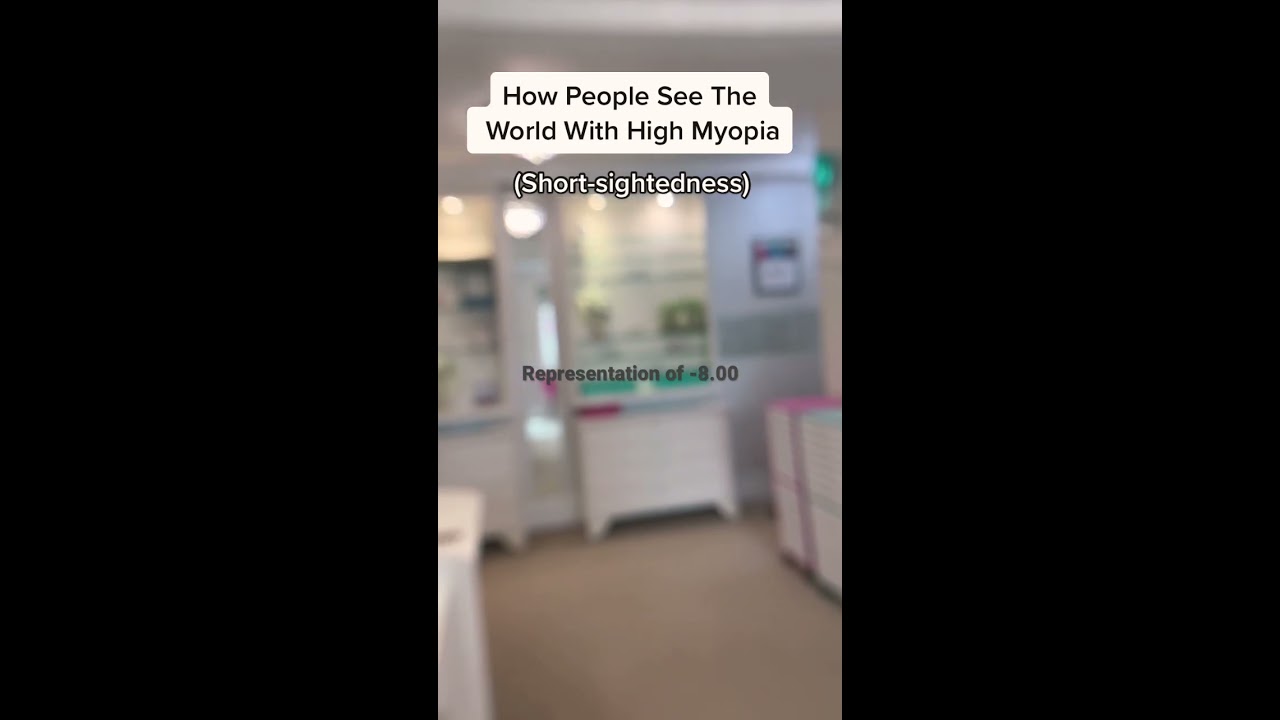
Children depend on adults to notice patterns they cannot name. When parents, teachers, and eye care professionals work together, myopia is usually identified without drama and managed with practical steps. Clear distance vision helps a child participate more fully in school, move more confidently through activities, and spend less energy compensating.
If your child is squinting at distance, reporting blurry classroom vision, or changing how they watch, read, play, or learn, do not wait for them to find the right words. Schedule eye exam and get a clear answer. For many children, that one appointment turns a fuzzy world sharp again.
Phone:
(657) 445-2160
Website:
opticoreyegroup.com/brea-ca.html
Opticore Optometry Group, PC - BREA, CA
2500 E Imperial Hwy, Ste 196,
Brea,
CA
92821